Parenting for Lifelong Health

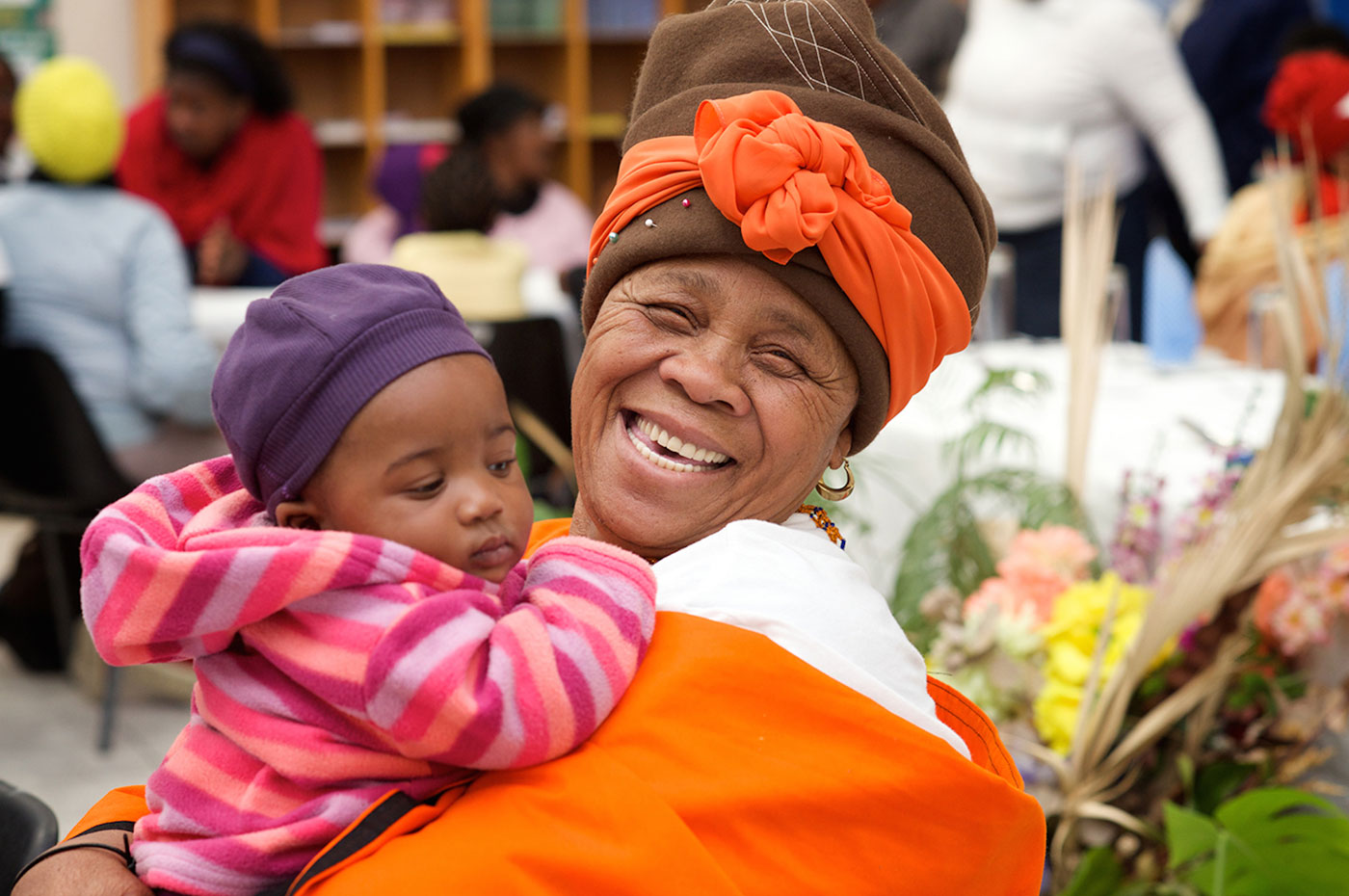
Parenting for Lifelong Health (PLH) is reducing violence against children through the development and local deployment of affordable and effective positive parenting programs that empower parents with the tools to break cycles of violence and build safe, nurturing homes. PLH’s programs have impacted more than 13 million families, with their newest delivery model resulting in 67% less violence against girls.
The Problem
Parenting is arguably one of the most important roles adults take on, yet it’s also one they’re least prepared for. A significant number of parents and caregivers use violence in raising children. Violence often stems from intergenerational cultural norms supporting the use of corporal punishment and is worsened by poverty, inequality, and poor mental health. This leads to lasting and devastating effects on individuals and communities.
Globally, up to half of all children experience some form of violence each year, with one out of five girls and one out of eight boys experiencing sexual violence during childhood. Around 76% of child abuse is committed by those in caregiving roles. Positive parenting programs provide a rare and proven way to drive change, but they remain underfunded and largely inaccessible at scale, despite clear evidence that they reduce violence and improve family well-being across diverse settings worldwide.
The Solution
Parenting for Lifelong Health delivers an effective, low-cost, positive parenting program designed to reduce violence against children, improve caregiver and child mental health, and strengthen family resiliency. At their core, PLH teaches caregivers how to build warm, supportive, and non-violent relationships with their children through interactive, practice-based modular courses. Parents and caregivers progress through a personalized, self-paced digital curriculum via a mobile app or chatbot, with content tailored to each parent’s goals, gender, marital status, and their children’s age. Their learning experience is supported by trained facilitators who help onboard families into the digital program and moderate online chat groups with parents. After completing the core program, parents stay connected through ongoing peer support in their chat groups. Their innovative model — tested rigorously through optimization and evaluation studies — combines the power of human connection with accessible technology to drive lasting behavior change across diverse global contexts.
PLH aims to reach approximately 15 million families annually by 2030. The recent shift from in-person positive parenting programs (with an extensively proven impact, as demonstrated in 15 randomized controlled trials) to an app-based delivery model has reduced the implementation costs from $100 per family to less than $6 per family. Through partnerships with governments, intergovernmental agencies, leading research institutes, and local implementation partners, PLH is well-positioned to scale evidence-based positive parenting worldwide.
Impact
- 45% reduction in physical abuse against children (results from South Africa) and 81,000 cases of severe abuse avoided.
- 40% increase in parental engagement in child development and learning (China) and 40% reduction in caregiver depression, anxiety, and stress (Thailand).
- 67% less violence against girls (Tanzania) in the latest trials on the app-based program.
Leadership
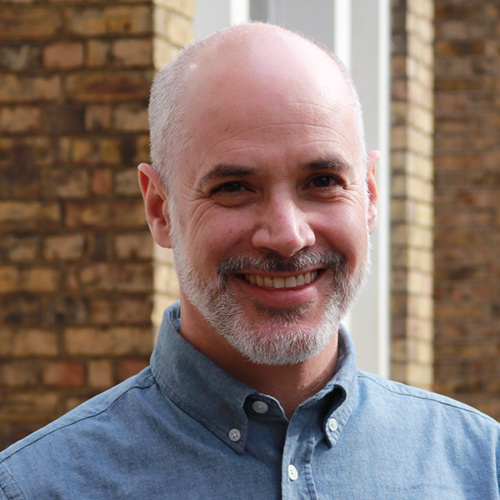
Jamie Lachman
With over 20 years of experience developing, implementing, and evaluating social interventions for children and families, Jamie combines a background in the creative arts with rigorous training in public health and social policy. He holds a DPhil in Social Intervention from the University of Oxford, where he also serves as a Professor of Child and Family Global Health. Jamie has founded multiple social impact organizations, including Clowns Without Borders South Africa, using performance to support children in crisis.