SmartStart and Indus Action Receive the 2026 Skoll Award for Social Innovation
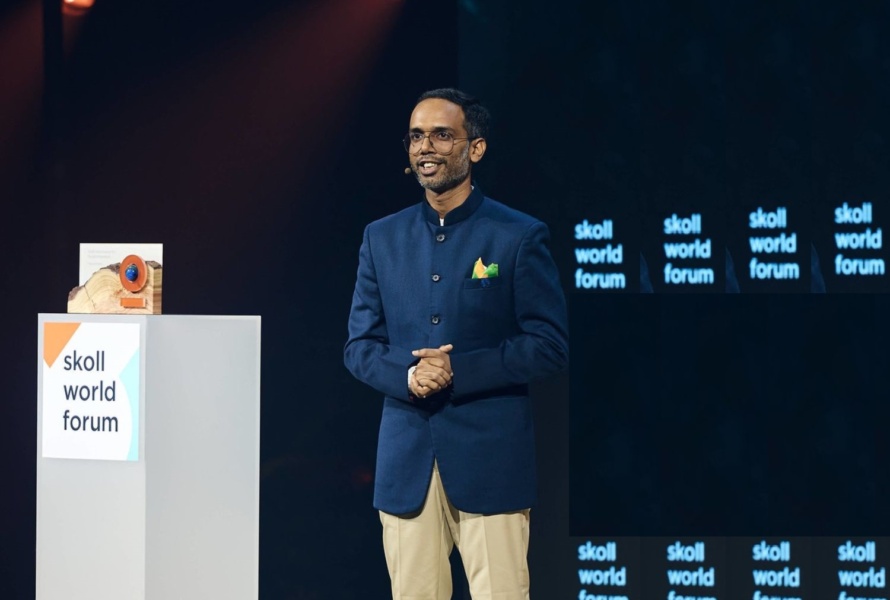
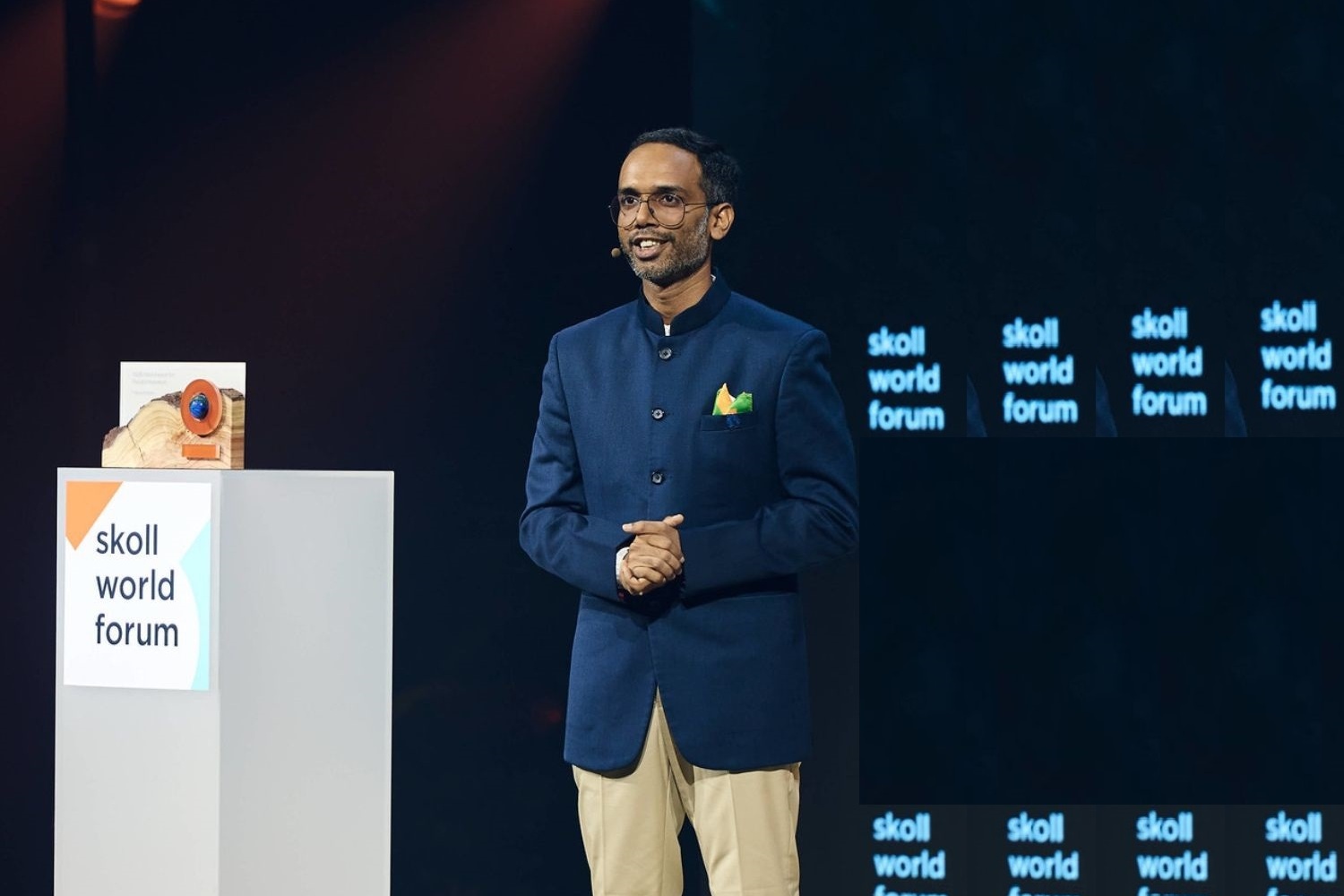
Today, the Skoll Foundation announced the organizations that will receive the 2026 Skoll Award for Social Innovation, including two DRK portfolio organizations: SmartStart and Indus Action. The $2 million award provides unrestricted support to nonprofit organizations with a proven track record of advancing transformational social change on intractable global issues.
SmartStart:
“High-quality early childhood care and education boosts child outcomes, creates new jobs, and enables parents to work. Yet in South Africa, over one million 3- to 5-year-olds don’t have access, perpetuating the economic exclusion of poor communities. SmartStart’s model enables underemployed community members to convert their homes and community spaces into licensed early learning enterprises for excluded children. By combining training, materials, coaching, compliance support and peer networks, SmartStart’s social franchise model makes quality early learning affordable, accessible and community-owned. At the same time, the model unlocks stable, dignified livelihood opportunities for thousands of microentrepreneurs. Through deep collaboration with government and other partners, SmartStart has grown into South Africa’s leading early learning network, with 15,000 programs currently reaching 160,000 children per week. SmartStart is now building the systems, capabilities and partnerships to grow its impact beyond its direct delivery footprint and reach 1 million children by 2030.”
Indus Action:
“India spends $150 billion annually on more than 5,000 social protection programs, yet complex processes prevent nearly 800 million citizens from accessing the benefits they are entitled to receive. An estimated 25 percent of legislated benefits—including those for students, workers, and new mothers—never reach their intended recipients, trapping millions in cycles of poverty. Indus Action bridges this gap through a three-pronged approach: building government delivery capacity; leveraging technology to design open-source, citizen-centric solutions; and using research to improve benefit-delivery systems. By engaging both citizens and state agencies, Indus Action is transforming constitutional commitments into impact by ensuring vulnerable Indians can access education, health care, and financial programs that provide pathways out of poverty. By 2030, Indus Action aims to seamlessly connect 30 million citizens to all the benefits for which they are eligible.”