OneDay Health
Model & Strategy
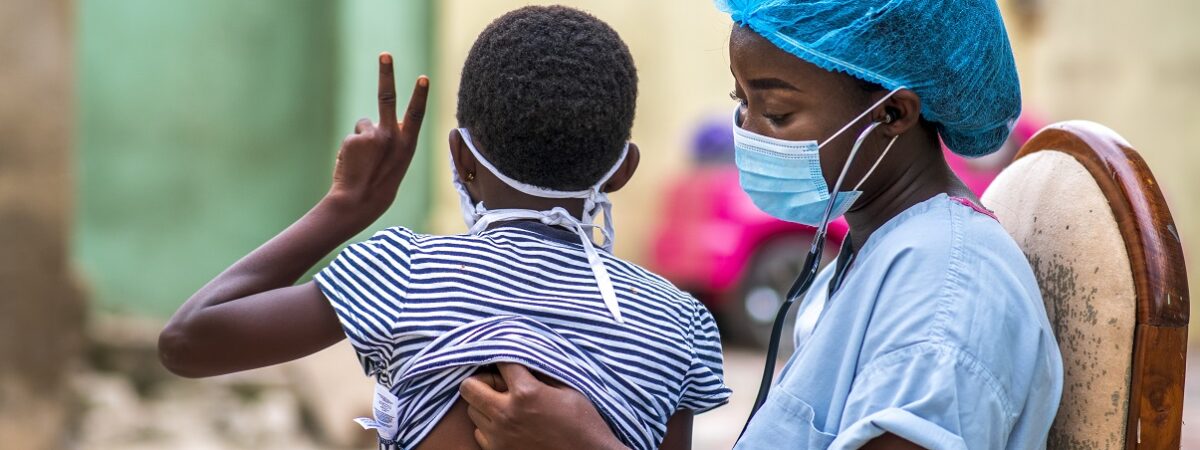
OneDay Health envisions a world in which every African has access to quality primary healthcare close to home, delivering accessible, high-quality, and affordable care to underserved rural populations. They establish basic health clinics to provide comprehensive care to entire remote communities, treating acute and chronic diseases and providing pregnancy care. To date, OneDay Health has provided essential primary care to 417,000 patients through 74 remote medical centers, saving over $723,000 in healthcare-related costs. By 2027, OneDay Health will expand their network to more than 120 clinics.
The Problem
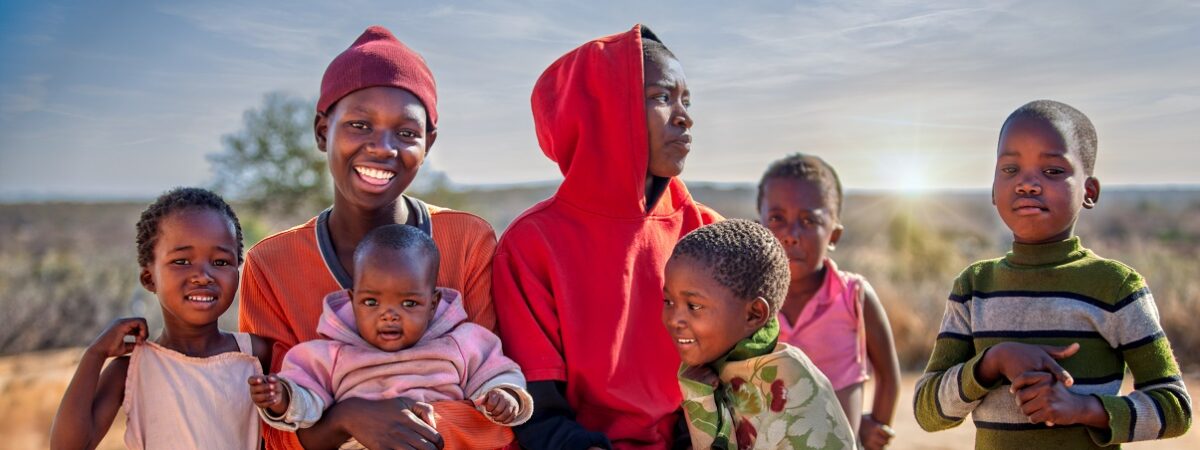
Across Africa, millions of people in rural areas live too far from a health clinic or hospital to access the care they need. This severe lack of access — often referred to as healthcare ‘black holes’ — leads to significantly worse outcomes in acute emergencies, for pregnant women, and for adults with chronic disease. Most tragically, children under five in these areas face a 20% higher mortality rate. Compounding this challenge, the limited care that is available is often financially burdensome and compromised in quality: patients incur high transportation costs and lost income to seek care, and even when they reach a facility, clinics frequently face stock-outs of essential diagnostic tests and medications.
The Solution
OneDay Health (ODH) launches simple, comprehensive health centers in healthcare black holes, delivering high-quality care to remote communities across every stage of life. Using an AI-powered geomapping tool, ODH pinpoints underserved areas and rapidly establishes cost-effective clinics to close critical care gaps. With an upfront cost of only $4,000, each OneDay Health clinic provides primary healthcare for the whole community—from young children to mothers to the elderly. Staffed by a single nurse trained on clinical guidelines for 30 common illnesses, the clinics can treat 80% to 95% of the local disease burden. OneDay Health ensures high-quality care through robust nurse supervision and reliable supply chain management. Patients pay up to $2 per visit, an affordable fee that saves an average of $1.80 per treatment by avoiding travel to faraway clinics. These fees are sufficient to cover each clinic’s operational expenses.
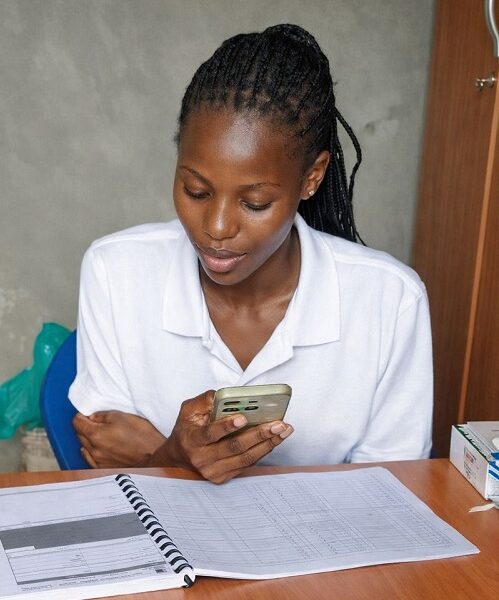
By 2027, OneDay Health plans to directly manage a growing, self-sustaining network of more than 120 clinics across Uganda. ODH is harnessing technology to scale their model, including deploying an AI-powered diagnostic support tool and digitizing patient records.
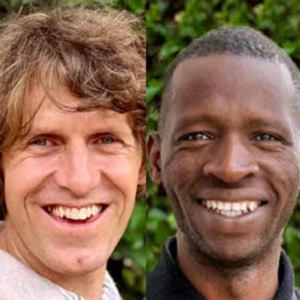
Nick is a public health doctor with experience managing medical centers in Northern Uganda. Nick has a medical degree from the University of Otago in New Zealand, a post-graduate diploma in Tropical Medicine from the London School of Hygiene and Tropical Medicine, and an MPH from Cambridge University.
Emmanuel trained as a nurse and worked with rural populations in South Sudan before securing a role as a nurse educator in Northern Uganda. Throughout his previous roles and OneDay Health, Emmanuel’s passion has remained unchanged—to extend healthcare to people who have been historically underserved.

Impact
In 2025, OneDay Health launched 24 OneDay Health centers, growing their network to 74 facilities that treated 417,000 patients across Uganda.
OneDay Health has saved communities $723,000 by eliminating transport costs that prevent patients from accessing care.