Mati Carbon
Model & Strategy
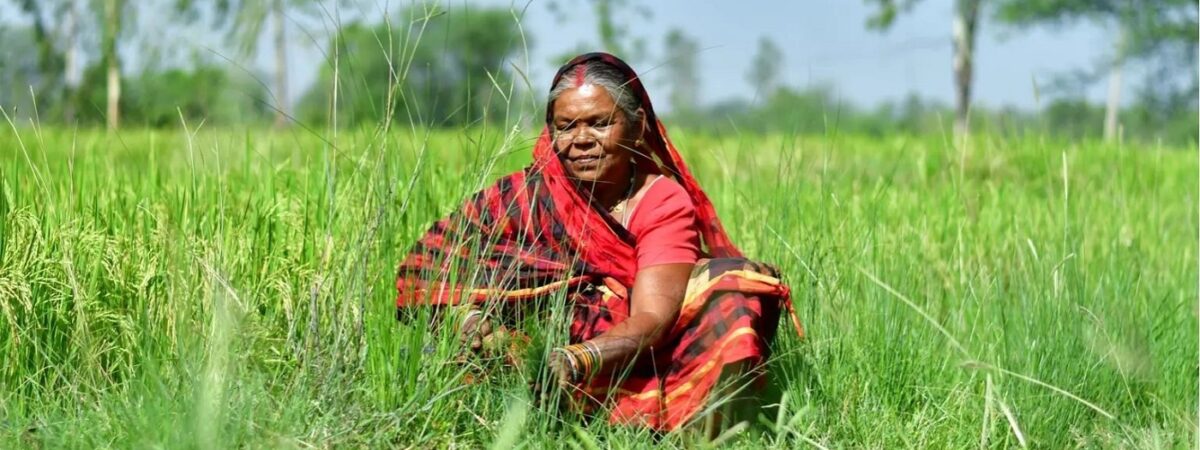
Mati Carbon increases incomes for smallholder farmers in the Global South through a farmer-first model that uses crushed basalt rock to restore soils, boost yields, and deliver gigaton-scale carbon removal. Farmers enrolled in Mati Carbon’s platform receive basalt application at no cost, and as the basalt weathers, soil quality improves and carbon is captured from the atmosphere. To date, Mati Carbon has enrolled more than 20,000 farmers and generated more than $3 million in new income through their carbon credit program.
The Problem
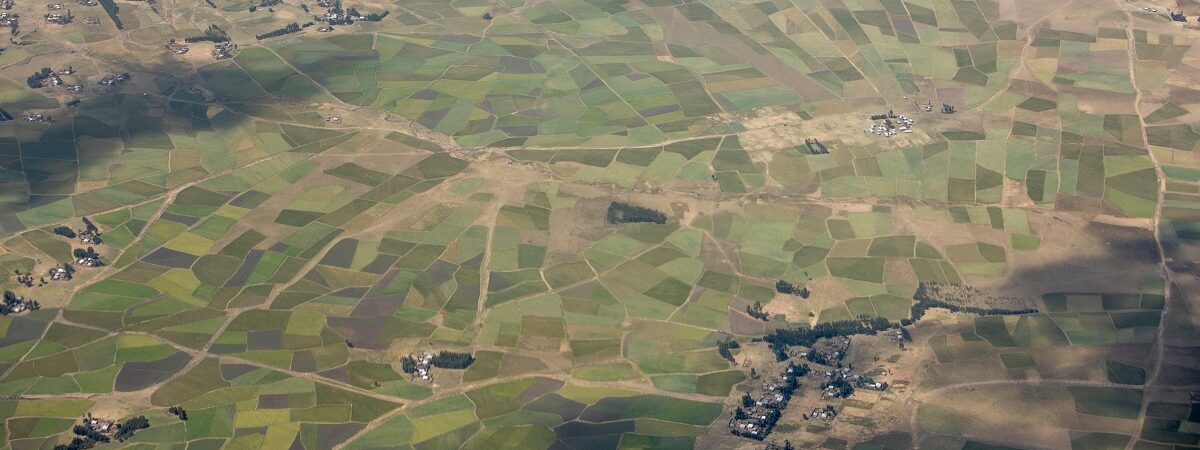
In India, more than 90% of farmers are expected to face at least one major climate hazard in the coming years. At the same time, these farmers manage vast areas of land that could become one of the world’s most reliable carbon sinks if paired with the right technology. Enhanced Rock Weathering (ERW), a process that uses crushed volcanic basalt to capture atmospheric carbon, holds immense promise. Yet existing methods for ERW remain inaccessible to smallholder farmers due to costly logistics, equipment, and intensive scientific verification. Meeting global climate targets will depend on solutions that can operate at a planetary scale, but the farmers whose land could unlock carbon removal remain excluded.
The Solution
Mati Carbon is harnessing ERW at scale to deliver carbon removal and improve the lives of smallholder farmers. As the first step of their solution, farmers are enrolled through local partners who identify fields suitable for basalt application. Basalt is sourced from vetted quarries and spread directly on eligible farms at no cost. As the basalt weathers, it naturally captures atmospheric carbon and enriches the soil, increasing crop yields, reducing dependence on chemical fertilizers, and building long-term soil health. Simultaneously, Mati employs robust scientific monitoring and verification to quantify permanent carbon removal, enabling high-integrity climate impact at scale. The model fits seamlessly into existing routines, requires no new expenses, and asks for only minimal behavior change. The result is a triple benefit: healthier soils, higher incomes, and permanent carbon removal.
Mati Carbon is demonstrating scalable impact across diverse agricultural zones and is on track to reach 250,000 smallholder farmers by 2030. Over the next decade, Mati Carbon plans to expand across India, East Africa, and other suitable regions, unlocking gigaton-level carbon removal while strengthening rural livelihoods at scale.

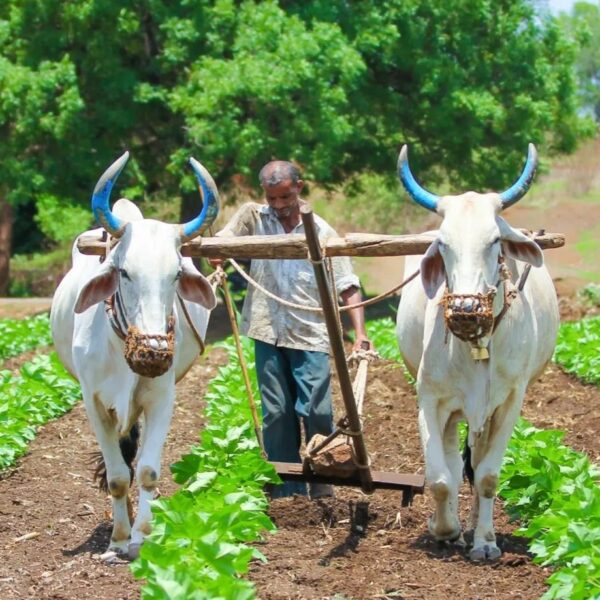

Shantanu is a seasoned climate tech entrepreneur with more than 20 years of industry experience across the energy and climate sectors. A two-time founder, Shantanu brings deep technical and strategic expertise, with a background in chemical engineering and an MBA from Harvard Business School. His journey to founding Mati Carbon began after a visit home to India, where he witnessed the urgent need to support smallholder farmers already affected by climate change, and the potential of ERW as a tool for scalable impact.

Impact
Mati Carbon has enrolled more than 20,000 smallholder farmers, generating $3 million in increased income.
Mati Carbon has also deployed more than 200,000 tons of basalt rock.